


Customs and tax compliance execution for logistics operators
Indirect tax representation, customs declarations and tax payments are delivered via a single, controlled compliance execution framework designed for cross-border shipping models.




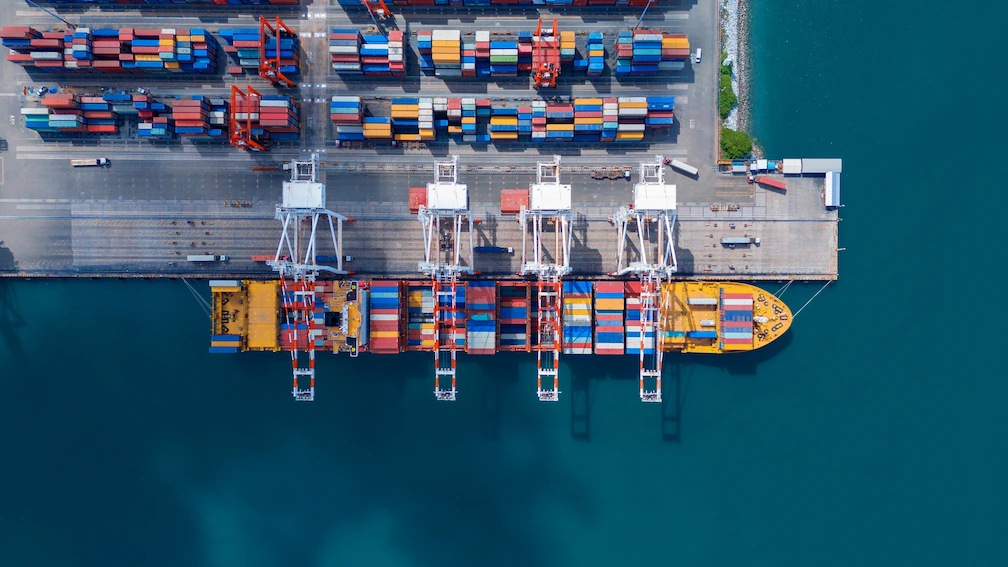
Cross-border shipping increases compliance obligations
Logistics operators facilitating cross-border trade need to submit customs declarations, adhere to indirect representation regulations and reporting and make associated tax and duty payments. As shipping volumes and the number of jurisdictions covered grow, compliance becomes more complex, increasing the risk of errors, missed deadlines, and other execution risks.

Liability centres around whoever is responsible for submitting declarations and increases when there are compliance-related errors.

Customs and VAT requirements differ by jurisdiction.

Duties and tax payments require accurate routing and adherence to defined deadlines.

Any clearance delays can potentially impact shipment timelines, delivery and customer satisfaction levels.
Duty and VAT are managed separately
Disconnected VAT and Duty declarations and payments
Customs entries and related VAT payments are handled in separate workflows, creating fragmentation and missed optimisation opportunities.
Inconsistent documentation
Documentation isn’t standardised and often sits with different brokers across multiple jurisdictions.
Unclear accountability
Representation roles and liabilities are set per jurisdiction and are not centrally defined with global oversight.
Structured customs and representation execution
Customs declarations, indirect representation and associated payments are executed through a single controlled framework with standardised workflows. Liability models and execution responsibilities are defined clearly per jurisdiction.
 Structured direct or indirect representation
- Customs declarations are executed in line with local authority requirements
- Controlled duty and tax payment routing
- Centralised documentation storage allowing for global oversight

Discuss your requirements
Controlled compliance delivery across the customs lifecycle
Customs declarations, payments and representation are executed within a single execution environment. Each compliance operation is aligned to meet local authority requirements and relevant shipping timelines.

Representation appointment
Indirect and direct representation roles are set at the per-jurisdictional level with defined liability parameters and clear authority roles and ownership.
 Structured and formalised appointment frameworks
- Liability models set per jurisdiction
- Officially, authority confirmations are recorded centrally

Declaration execution
Customs entries are prepared and submitted in formats that meet the specific requirements of each local authority. Validation controls are set up and applied before declaration and release.
- Standardised declaration workflows
- Validation against local compliance requirements
- Retained roof of submission retained

Duty and tax settlement
Duties and associated taxes are routed through validated beneficiary and reference workflows to ensure they meet local customs authority specifications.
- Deadline-aligned payment cycles
- Multi-currency routing
- Centralised, audit-ready payment confirmation storage

Evidence and monitoring
Clearance records and supporting documentation are retained centrally with role-based access and traceable oversight.
- Structured record retention
- Authority correspondence tracking
- Audit-ready documentation
Services supporting this solution

Customs and representation across multiple key jurisdictions
Meet EU and UK customs and indirect tax obligations within structured representation frameworks aligned with logistics operations.

Indirect representation
Structured liability models aligned to local customs requirements.

Declaration controls
VAT registration and returns aligned with local requirements.

Duty settlement
Duty settled through validated routing channels, aligned with local customs specifications.

Centralised evidence
Audit-ready clearance confirmations retained centrally.
Frequently asked questions
Have more questions?
Contact our team
Yes. Representation roles are structured per jurisdiction within defined liability models. Authority and ownership are expressly acknowledged and documented.
Defined operational responsibilities are set during the onboarding process in line with representation appointment and local jurisdictional reporting requirements.
Duty and tax payments are routed through validated beneficiaries. References are controlled and aligned with local customs authority requirements.
Clearance records and any associated confirmations are automatically stored centrally with role-based access controls.
Yes. Desucla’s execution framework applies consistent controls, which means it is ideal for high-volume logistics operations.
Centralise customs and duty execution across jurisdictions